
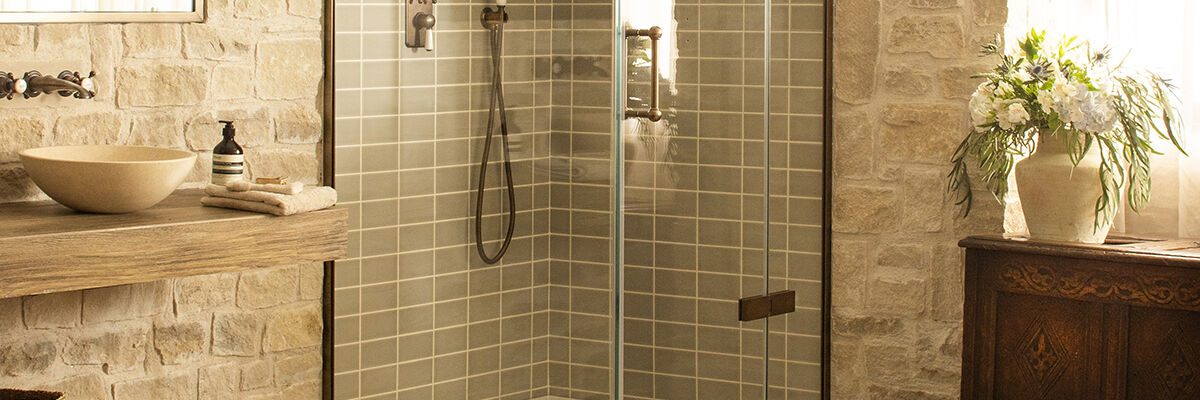
Tips for Choosing the Right Shower
Planning a new bathroom is a major undertaking—and choosing the right shower screen or enclosure is one of the most significant decisions you’ll make during your bathroom renovation journey. Get it right, and you’ll create a personal sanctuary that’s easy to clean and built to last. Get it wrong, and you’re stuck fighting mould and leaks for years.

To help navigate the choices we spoke with Iain Cother, a high-end bathroom retailer with decades of experience, from The Bathroom Studio in Evesham.
The Driving Force: Minimalism and Maintenance
For today’s homeowners, the biggest design concern isn’t style—it’s ease of cleaning. Iain stressed that the real reason for the current minimalist trend is simply the desire for easy maintenance.
“The shower is one of the most difficult things in the house to keep clean. If you’ve got something that’s relatively inexpensive, and it’s got big boxy sections, it very quickly looks tired and gets covered in limescale” Iain explained. “The more minimalist the enclosure, the easier it is to clean and maintain.”
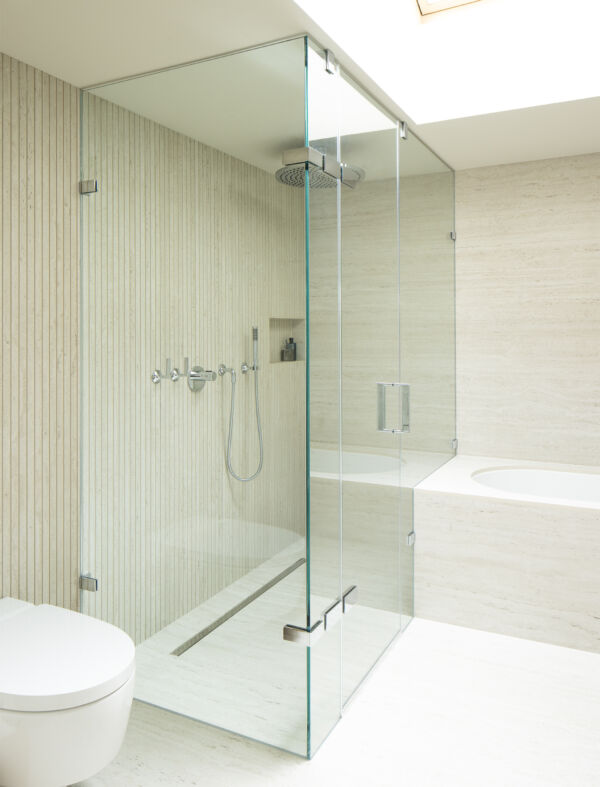
This is why products featuring bulky frames are being replaced by sleek, frameless, or semi-frameless options, such as those found in the Matki EauZone range. Less hardware means less surface area for dirt and mould to accumulate.
“Also, because the Matki EauZone range is a modular system, there is a size and style of enclosure in the range to fit any bathroom, no matter how large or small or awkwardly shaped it is.” Iain added.
Solving Difficult Space Constraints
Before you choose a shower screen, you have to look at the space available. Big bathrooms let you go for the luxury of a walk-in or wet room, but for small or oddly shaped en-suites, you need to be clever about your enclosure design:
- Small Rectangular Ensuites: In tight spots, prioritise door movement. Avoid outward-swinging hinged doors that will hit the basin or toilet. Instead, opt for sliding doors or a wet room panel, which saves floor space while allowing a generous entry area.
- Awkwardly Shaped Rooms (e.g. Attics): Rooms with sloping or non-square walls require bespoke solutions. If your walls aren’t perfectly straight, standard enclosures won’t seal properly. Iain often recommends using Matki EauZone Bespoke and preparatory work to correct out of line walls.
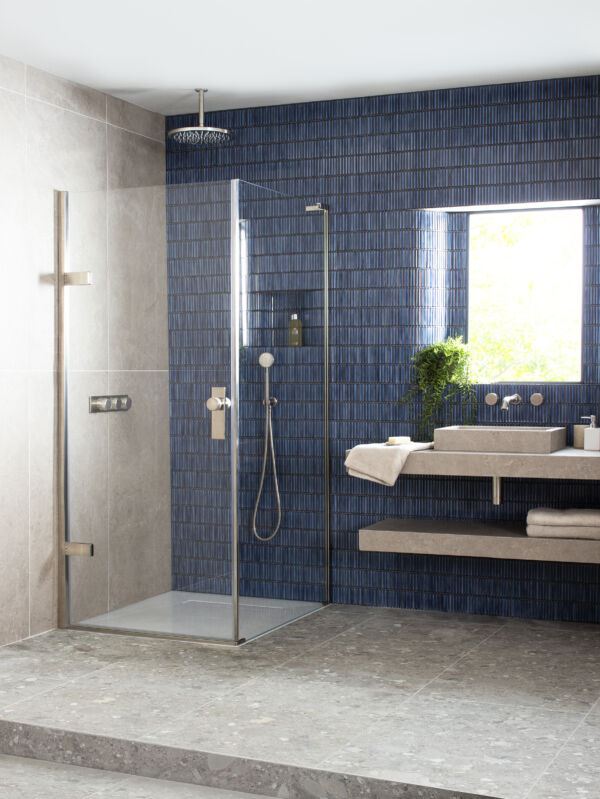
“Sometimes we build something called a concept wall, which is where we build the wall out by a small amount. This creates a completely square, true wall onto which to attach everything. This concept wall not only squares the room but can also house a shower niche, hidden storage, and plumbing pipes.”
The Value of Thick Glass
When shopping for screens, you will see a variety of glass thicknesses, typically 6mm, 8mm, and 10mm. Is the extra thickness necessary?
For a fully frameless enclosure, the thicker glass is often structural. While 8mm is sufficient for most semi-framed models, 10mm offers unmatched stability and a premium feel.
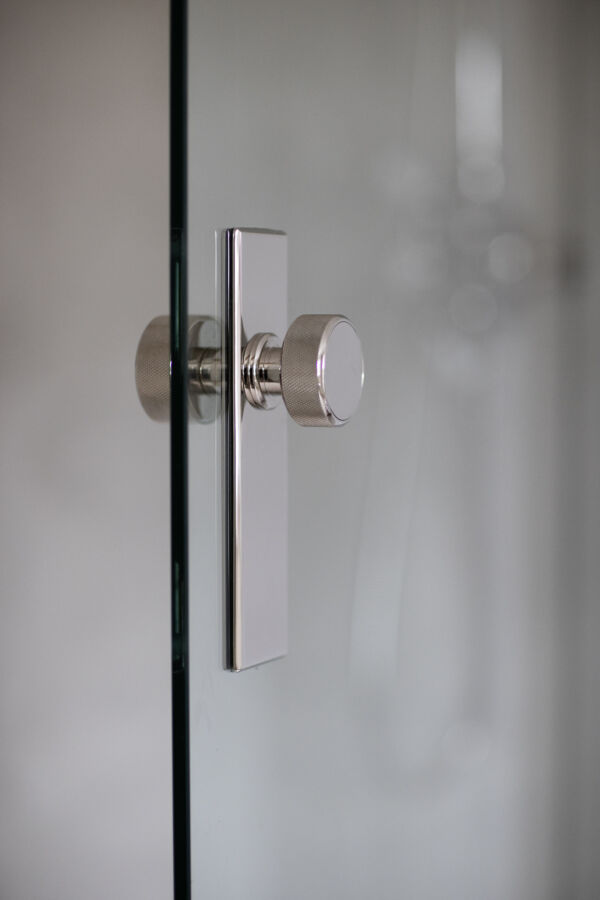
On the difference between thicknesses, Iain commented: “In reality [for stability], 8mm is good enough, but we only sell 10mm [frameless]. Most people prefer it as it is thick and heavy to the touch. Customers feel they’re getting their money’s worth.”
This ‘heavy’ feeling translates to quality, stability, and durability. The weight means that high-quality, solid brass components are required for hinges and brackets—another marker of longevity that distinguishes premium products.
Installation is Key
Even the highest quality screen can fail if the installation isn’t flawless. Modern minimalist enclosures have very little tolerance for error.
“One of the biggest issues with minimalist products is that they haven’t got much tolerance because you’ve only got a small channel on the wall to fit the screen to. You don’t have much leeway,” Iain warns, adding a crucial point: “The tray has to be level.”

A perfectly level, stable shower tray is non-negotiable for a frameless enclosure. Make sure your installer understands this requirement to avoid issues with doors not closing correctly or swaying over time. Investing in a premium screen requires equal investment in a skilled fitter.
Buy Well, Buy Once
Ultimately, choosing the right shower screen or enclosure is less about following fleeting trends and more about investing in long-term practicality. As Iain emphasised, the rise of minimalist design is fundamentally driven by the desire for easy maintenance. Less hardware means less space for dirt and limescale, making your daily clean-up significantly easier.
Whether you’re dealing with a large wet room or a small, awkward en-suite, space determines the solution, with sliding doors and clever concept walls being key for tight spots. Finally, don’t overlook the importance of quality materials (like 10mm glass for a premium, stable feel) and, most critically, flawless installation. The minimal tolerance of modern enclosures means that the shower tray must be perfectly level.
By prioritising easy maintenance, stability, and a skilled installer, you can ensure your new shower remains a sanctuary for years to come. As Iain puts it, “The rule of thumb is simple: buy well, and you only buy once”.